We’ve all been there: an email lands in your inbox claiming your bank account is locked, a text message says a package is waiting for delivery (pay a $2 shipping fee!), or a friendly stranger slides into your DMs with an incredible investment tip.
For a split second, your heart skips a beat. Is this real?
Online scams have evolved far beyond the clumsy, typo-ridden Nigerian prince emails of the early 2000s. Today, fraudsters use generative AI, deepfakes, and hyper-targeted social engineering to mimic your bank, your boss, or even your family members.
Let’s break down the most common scams targeting people today and, more importantly, the mental shifts and technical habits you need to stay safe.
Part 1: The Scams to Look Out For
1. The Smishing & Delivery Trap (Phishing via SMS)
How it works: You receive a text message: "UPS: Your package could not be delivered due to an incomplete address. Update here [suspicious-link.com]." Because so many of us order things online, the timing often feels suspiciously accurate.
The danger: Clicking the link takes you to a pixel-perfect fake shipping portal designed to harvest your credit card details under the guise of paying a tiny redelivery fee.
2. Imposter & "Emergency" Scams (AI-Enhanced)
How it works: You get a phone call or voice note that sounds exactly like your child, partner, or colleague claiming they’ve been in an accident, arrested, or stranded abroad and need money wired immediately.
The danger: Scammers now use just a few seconds of audio pulled from social media or public videos to clone voices using AI. The emotional panic makes victims skip basic verification.
3. Pig Butchering & Investment Frauds
How it works: A charming stranger matches with you on a dating app or messaging platform. Over weeks, they build a rapport, subtly steer the conversation toward crypto or a high-yield investment platform, and show you screenshots of massive fake gains.
The danger: Like "fattening a pig before slaughter," once you deposit large sums, the platform freezes your funds, and the "friend" vanishes.
4. Job Offer Scams
How it works: You receive an unsolicited message on LinkedIn or email offering a lucrative remote job with minimal work and great pay.
The danger: They might send you a fake check to "buy home office equipment," ask you to deposit it, and wire a portion back to a third-party vendor before the bank realizes the check is fraudulent.
Part 2: The Golden Rules of Digital Self-Defense
Knowing the specific scams helps, but new ones pop up every week. Protecting yourself requires building a defensive mindset.
Friction is your friend: Scammers rely entirely on urgency ("Act now or your account will be closed!"). Whenever you feel a spike of panic or pressure, stop and introduce friction. Walk away from the screen for five minutes.
Never use the contact info provided in the message: If an alert claims to be from your bank, utility provider, or airline, do not click the links or call the phone number in the message. Open a fresh browser tab, log into your official account, or call the number printed on the back of your credit card.
Adopt a "Verify Out of Band" policy: If a family member or coworker calls asking for money or urgent assistance via an unusual channel, hang up and call them back on a known, trusted phone number or use a pre-established family safe word.
Use a Password Manager & Passkeys: Reusing passwords is a hacker's favorite shortcut. A good password manager generates and stores complex, unique passwords for every site, rendering credential-stuffing attacks useless.
Part 3: What to Do If You Fall Victim
Even the most cautious people can be caught off guard especially when scammers catch us tired, stressed, or distracted. If you suspect you've been compromised:
1. Secure your finances immediately: Contact your bank or credit card issuer to freeze cards, dispute fraudulent charges, and update your online banking passwords.
2. Change critical credentials: Update your primary email password and enable Hardware Security Keys or Authenticator Apps (avoid SMS 2FA where possible, as it can be SIM-swapped).
3. Report it: File a report with local cybercrime authorities or consumer protection agencies (such as the FTC in the United States or Action Fraud in the UK). Reporting helps authorities track emerging threat patterns.
Stay sharp out there. What’s the most convincing scam you’ve seen lately? Let me know in the comments below, and share this post with a friend or family member who might need a reminder!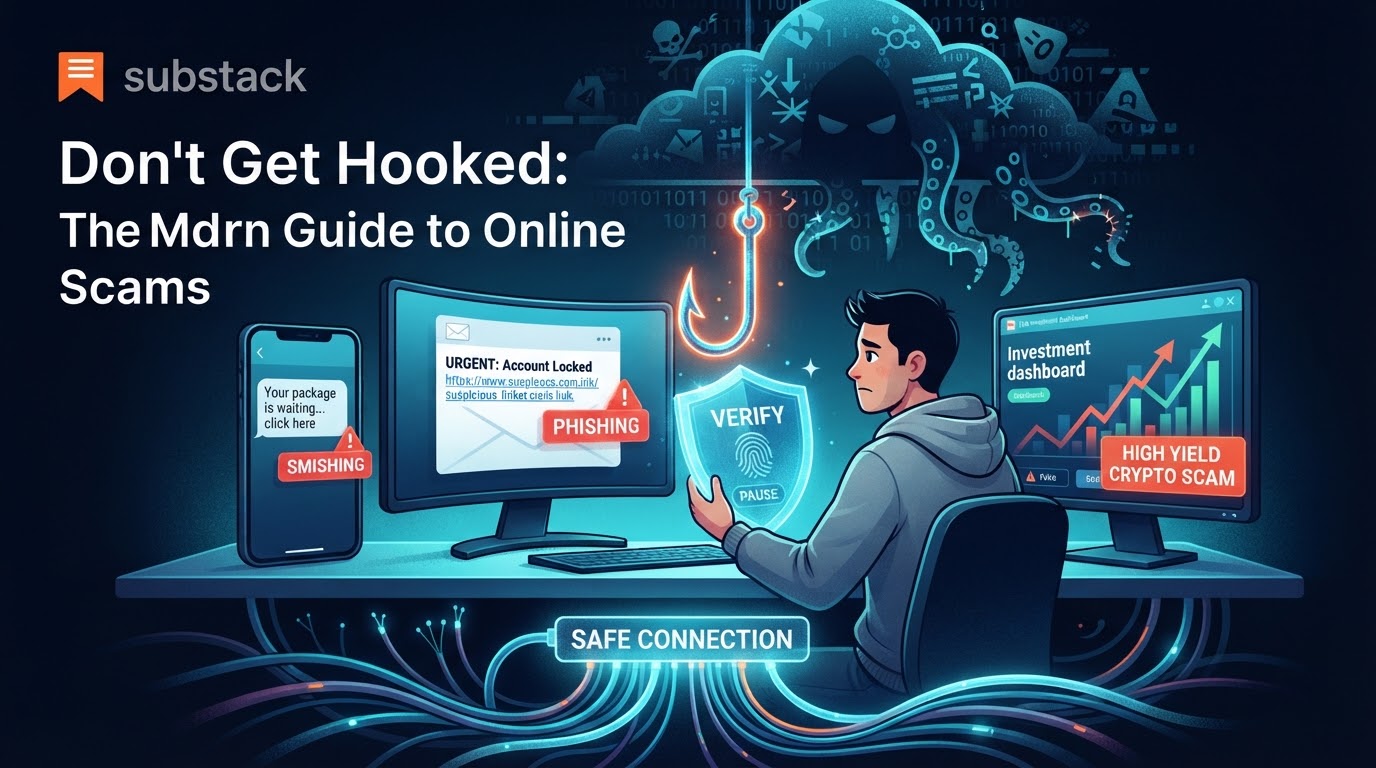
Comments
Post a Comment